
SAUDI ARABIA
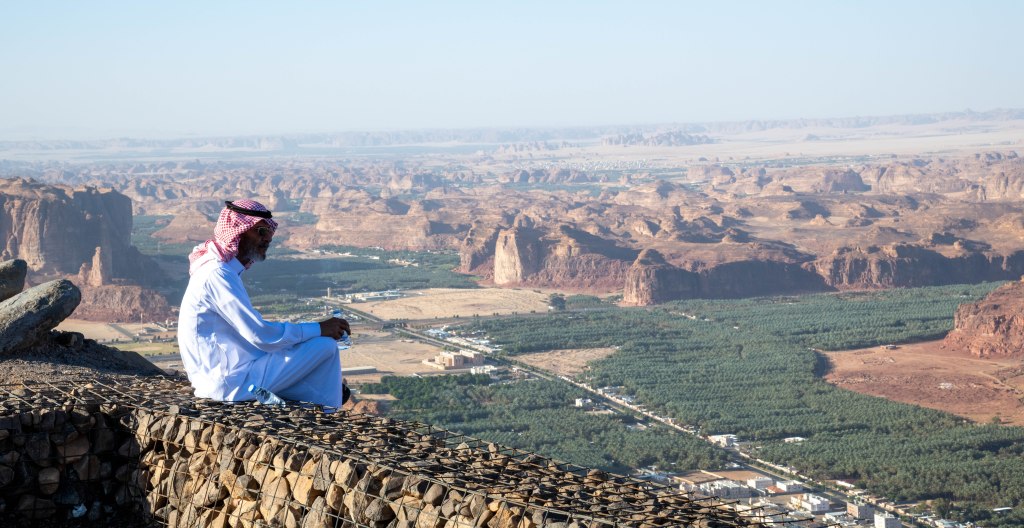
Faisel lives in Tabuk, but his family’s recorded history began two generations ago when his grandfather left Al Ula for Wadi Rum in Jordan. They returned when the Kingdom of Saudi Arabia was founded, and he grew up in Saudi Arabia’s capital of Riyadh.
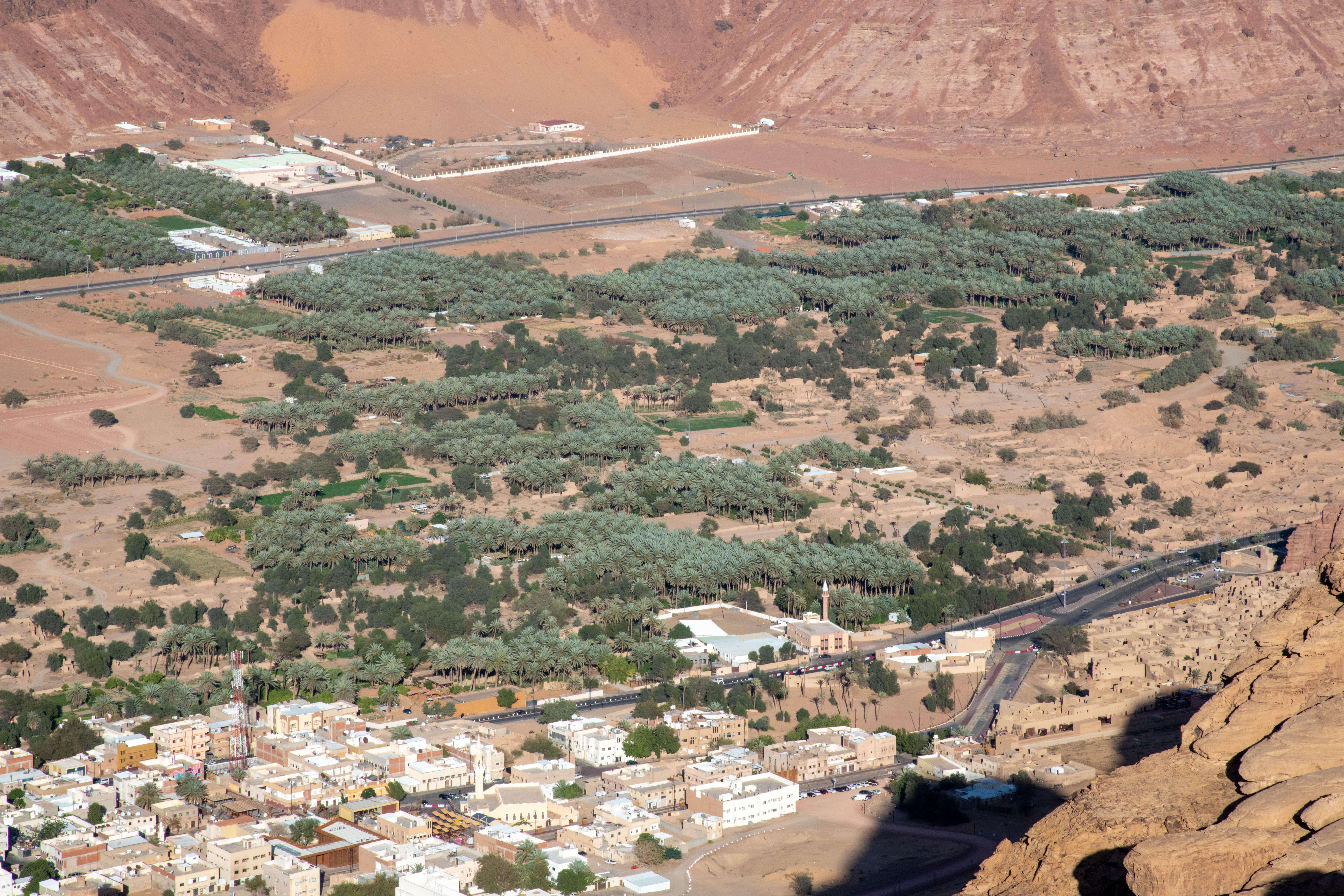

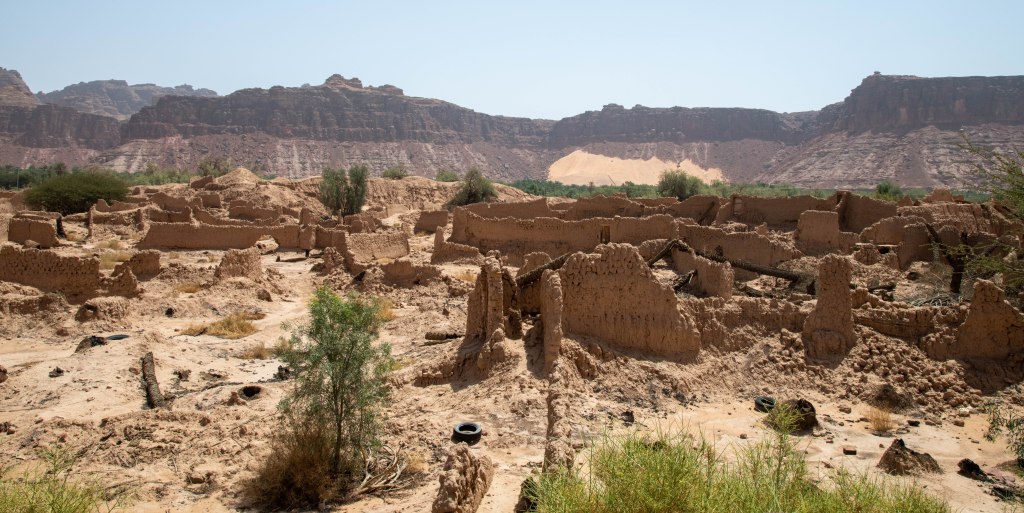
This history is why so many members of his familial clan and so many friends live under Al Ula’s swaying date palms. The verdant valley, with its Nabatean archaeology, is one of the most beautiful places in all of Saudi Arabia according to Faisel.

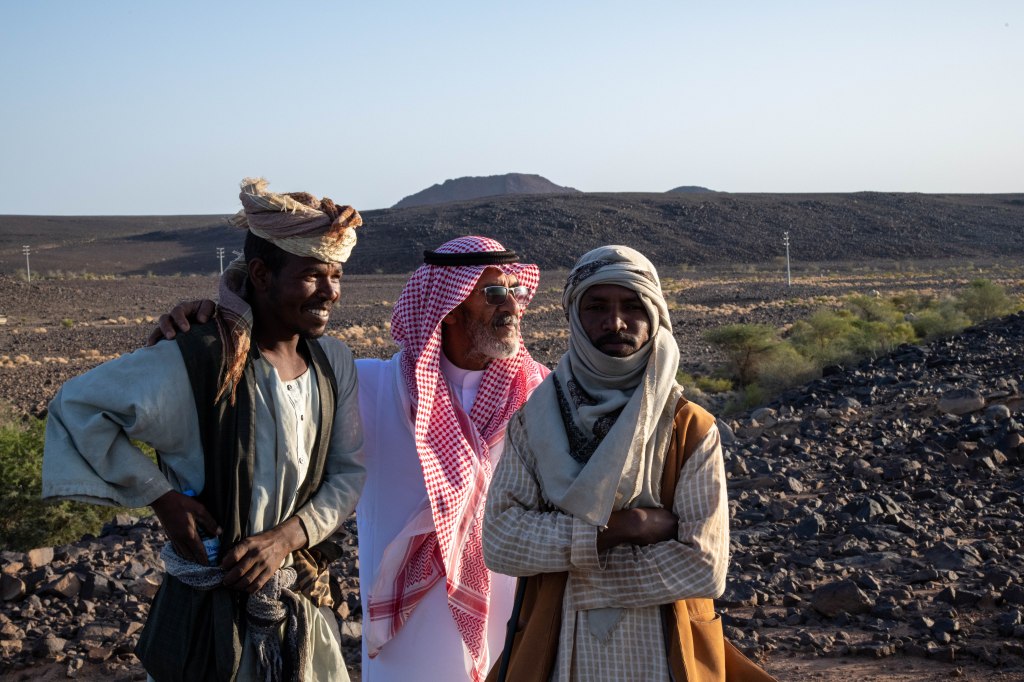
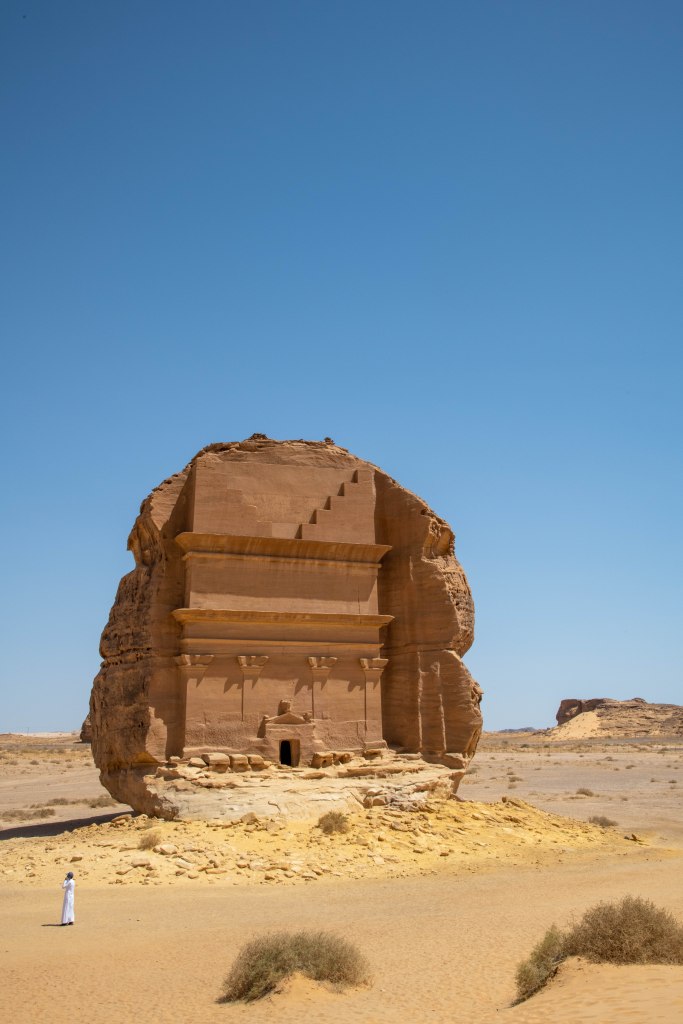
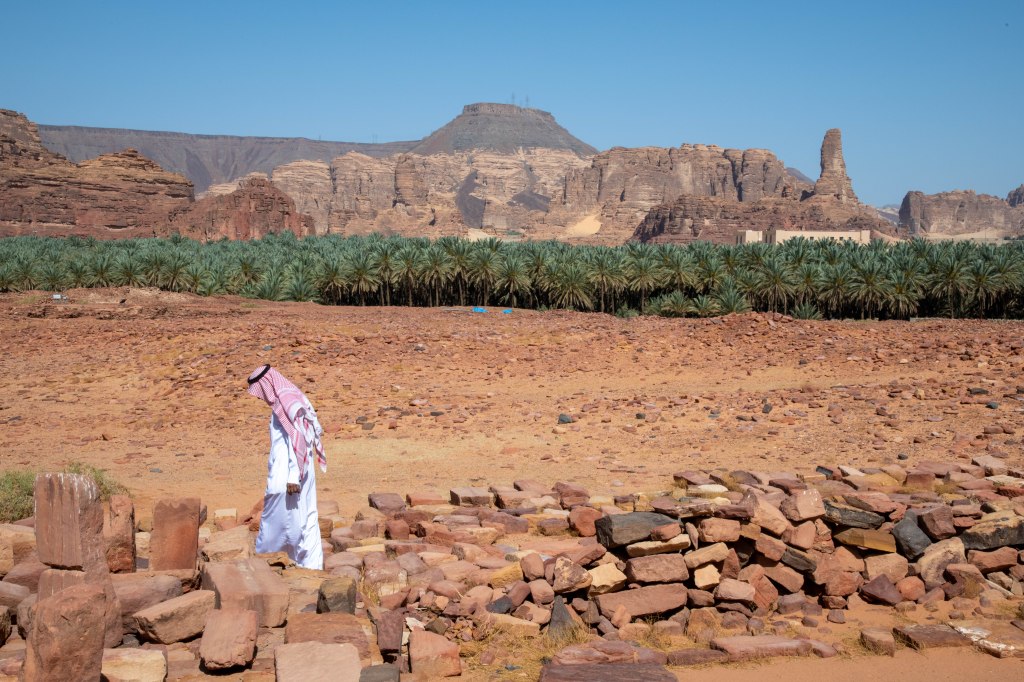
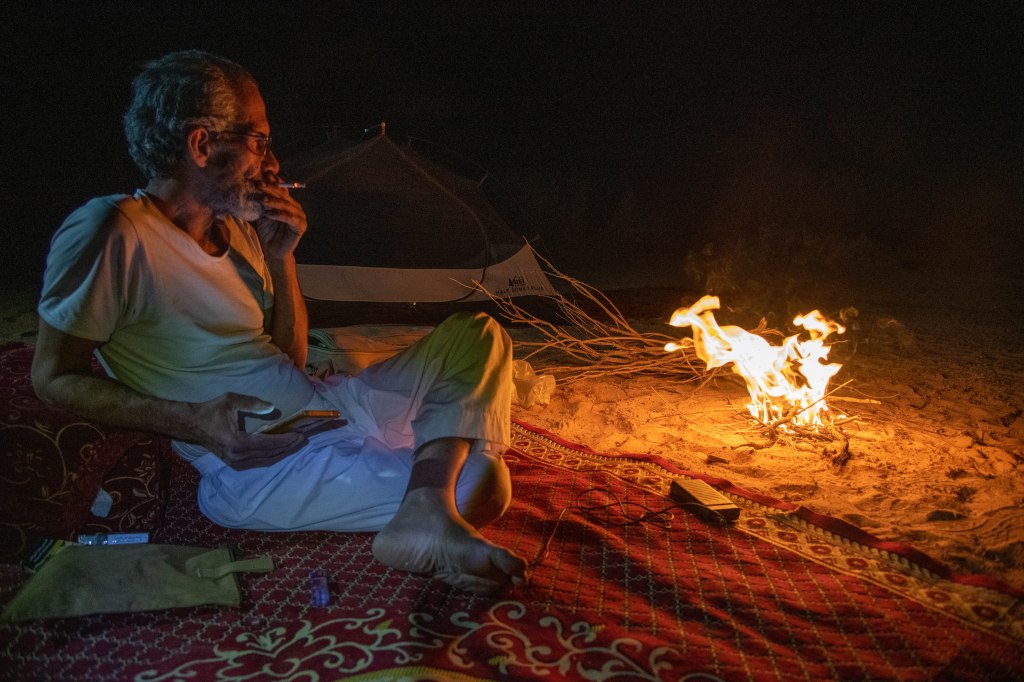


He now lives in Tabuk and spends the majority of his time hunting and camping with his family out of his Jeep Cherokee. His favorite camping spots are now frequented by Sudanese refugees herding camels. Faisel explains the kingdom doesn’t do anything for them, but it also doesn’t bother them.

JORDAN
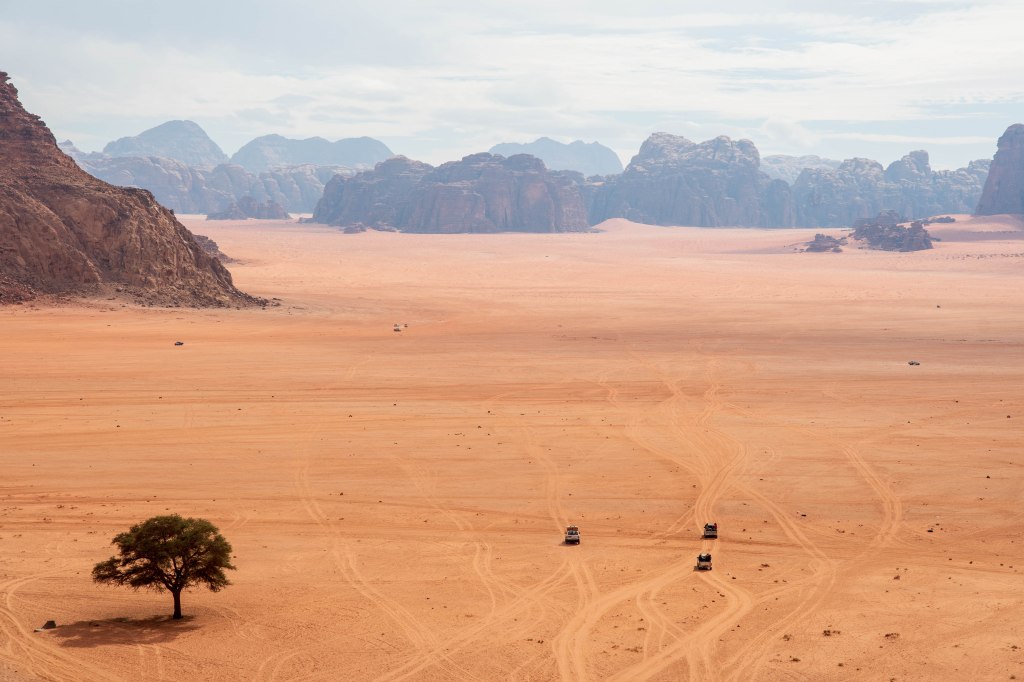
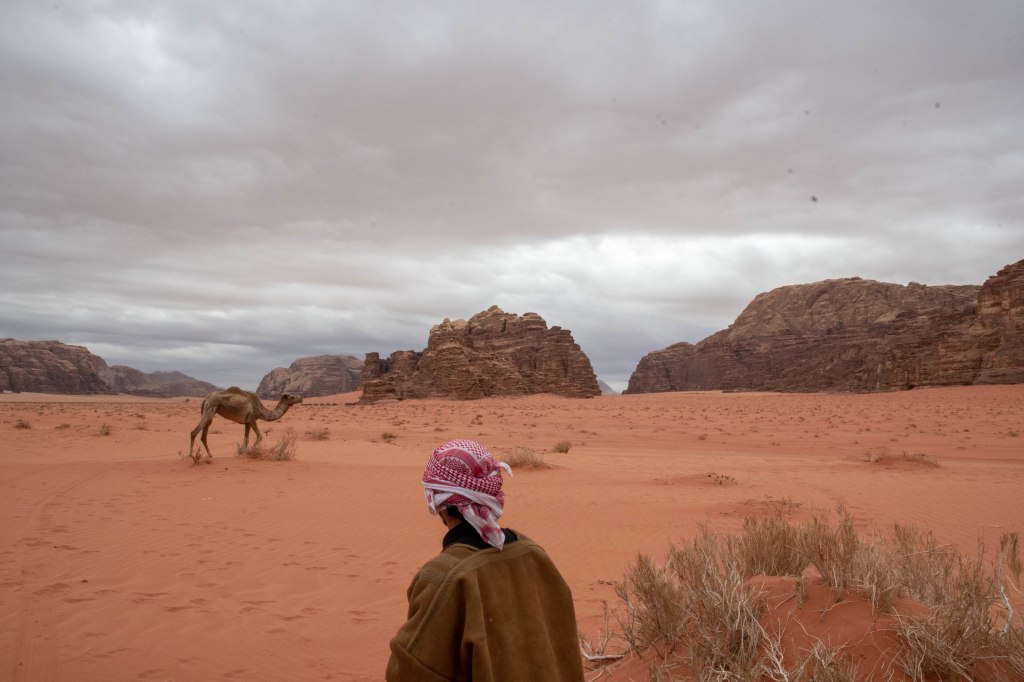

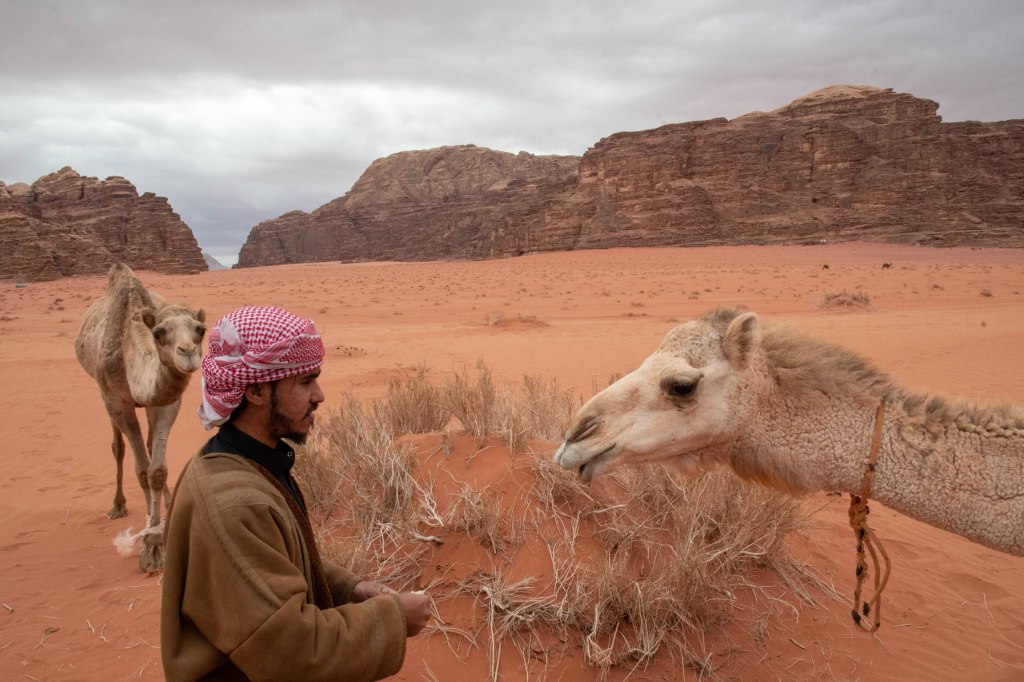
Faisel’s nephew Awaad and his cousin Walid both drive tourists around Jordan’s magical Wadi Rum desert. The government gives the Bedouins in Wadi Rum Village virtually full reign over the national park as long as they pay a tax. Awaad enjoys his business and is trying to save money for his upcoming wedding and is currently building a house for his new bride.


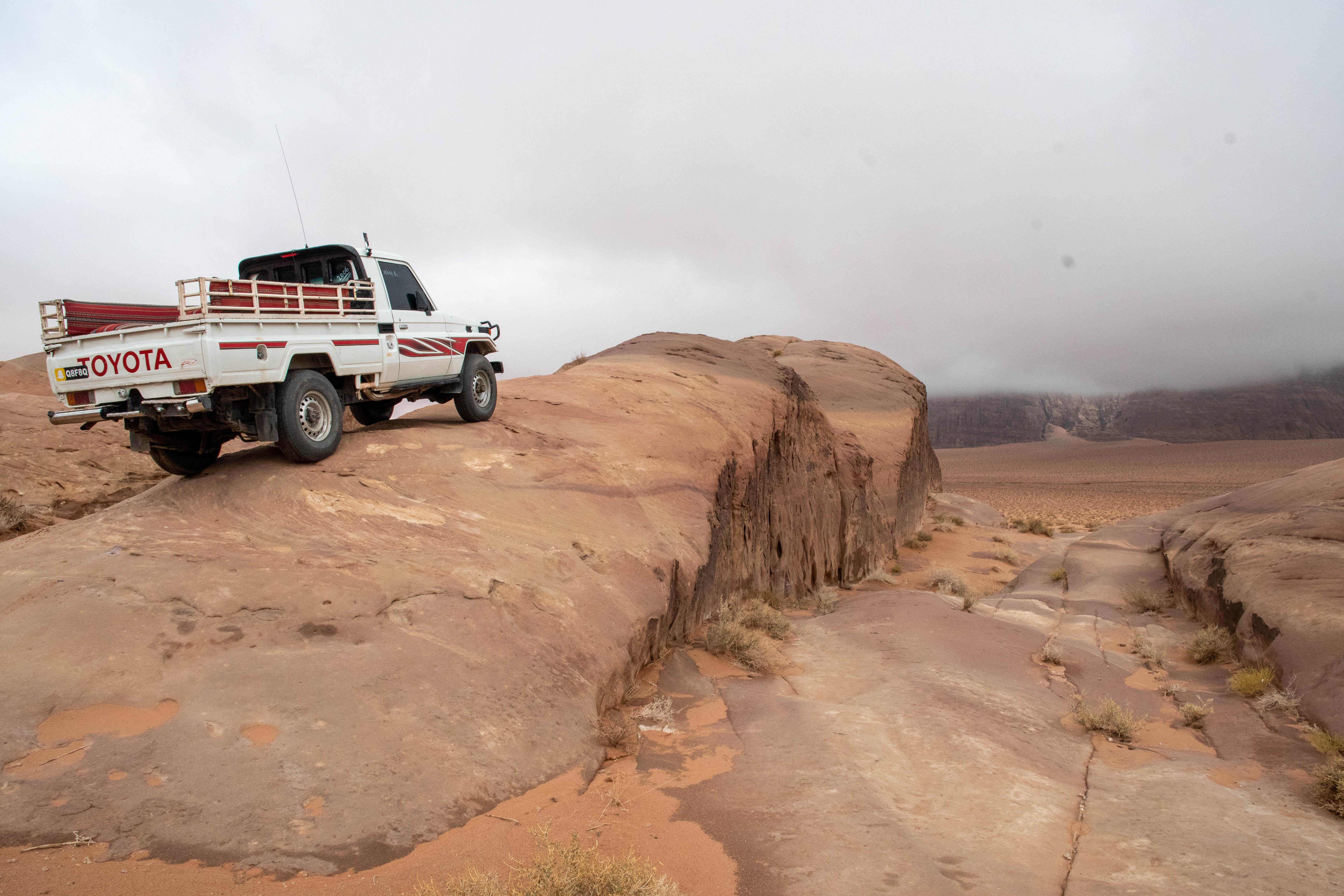
Walid is extremely proud of the 2006 Land Cruiser he bought in Saudi Arabia. He loves demanding the most of its capable engine as he tears through the desert, completely unrestrained by speed limits, Saddam Hussein picture dancing crazily from the rearview mirror, and a “Sweet Dreams” remix shaking the cab. The nooks and crannies of Wadi Rum’s massive sandstone cliffs are littered with the artifacts of a good Bedouin barbecue–goat hides. While hiking in the mountains, Walid can point out ancient storage containers used by desert nomads and traders who have traversed the barren landscape for thousands of years, but he is mainly looking for za’atar to spice his tea. This tea is essential for making the barbecues sweet and hospitable events welcoming.
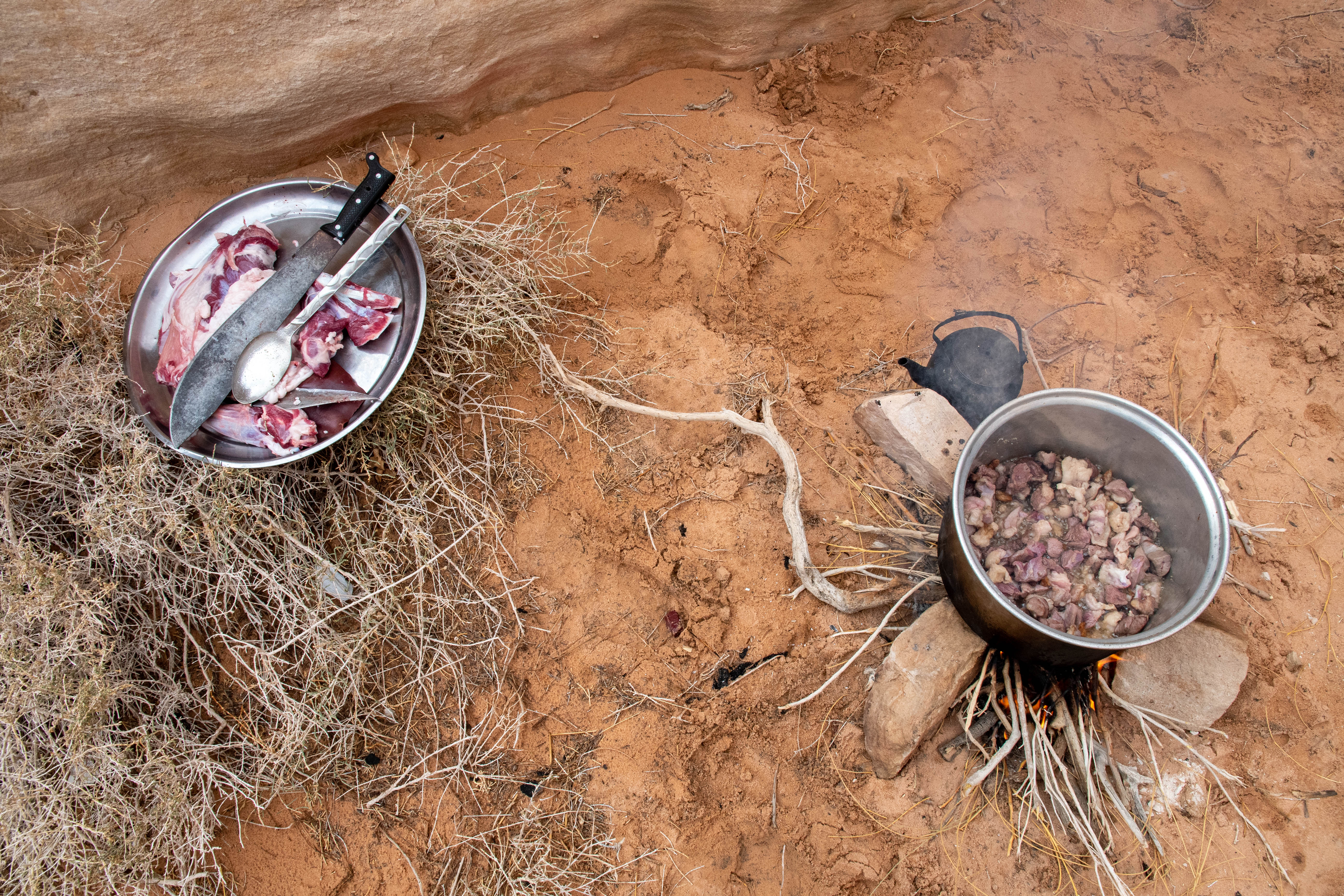
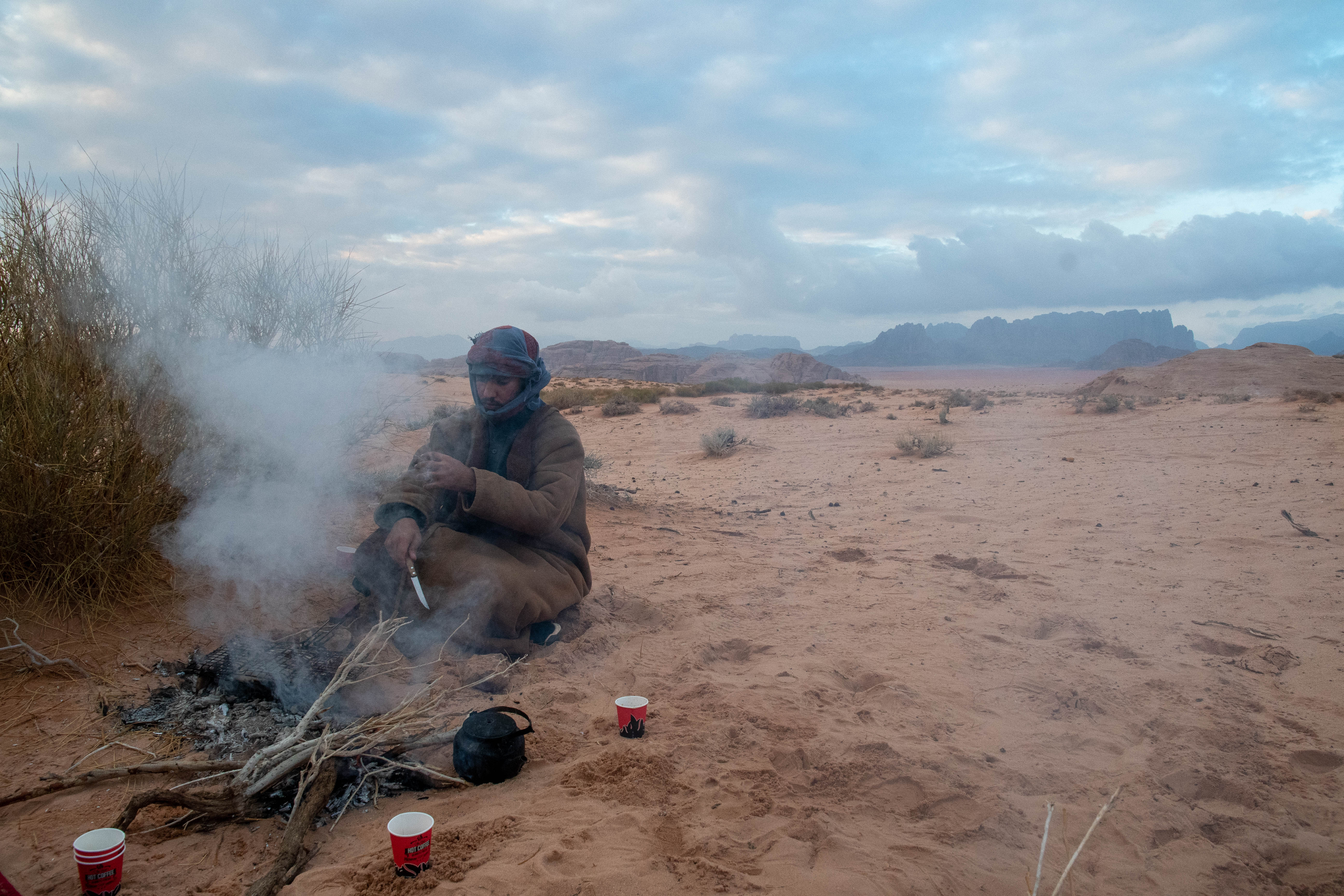


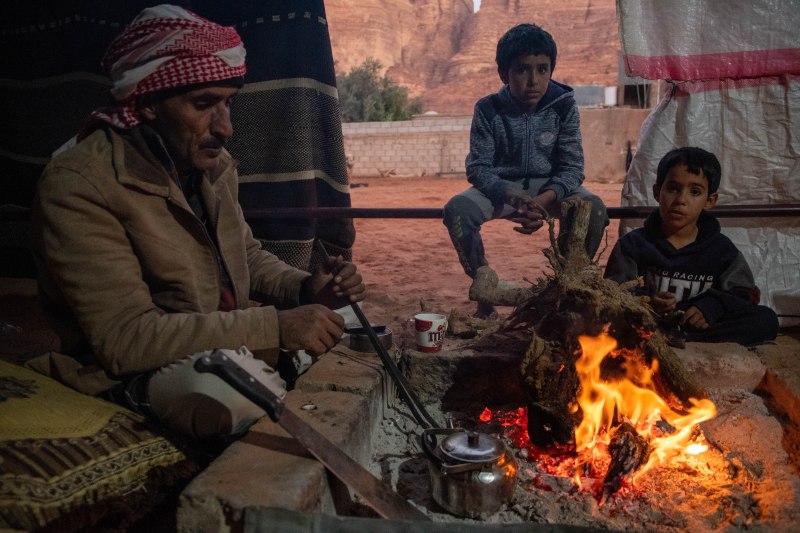
Awaad’s father and Faisel’s Brother, Thalal, hunts hyraxes, ground birds, and even wolves in Wadi Rum’s high mountains. He used to be a rock climbing guide for tourists before a client fell on him, damaging Thalal’s back. Despite his back and habit of regularly smoking “Bedouin grass tobacco,” he can spryly hop around the towering sandstone faces, especially if pursuing game.
EGYPT
In the oases far from the Nile, desert travel is a way of life. Muhammed and his brother know these ways well and some of the most important things between life and death can be as simple as car maintenance. Knowing how to jury-rig cars is only one of the skills they have honed throughout their lives traveling through Egypt’s slice of the Sahara. A big source of income for the brothers and their families is tourism, taking large or small groups who want to see more than pyramids through the sand blasted sculptures of the White Desert.

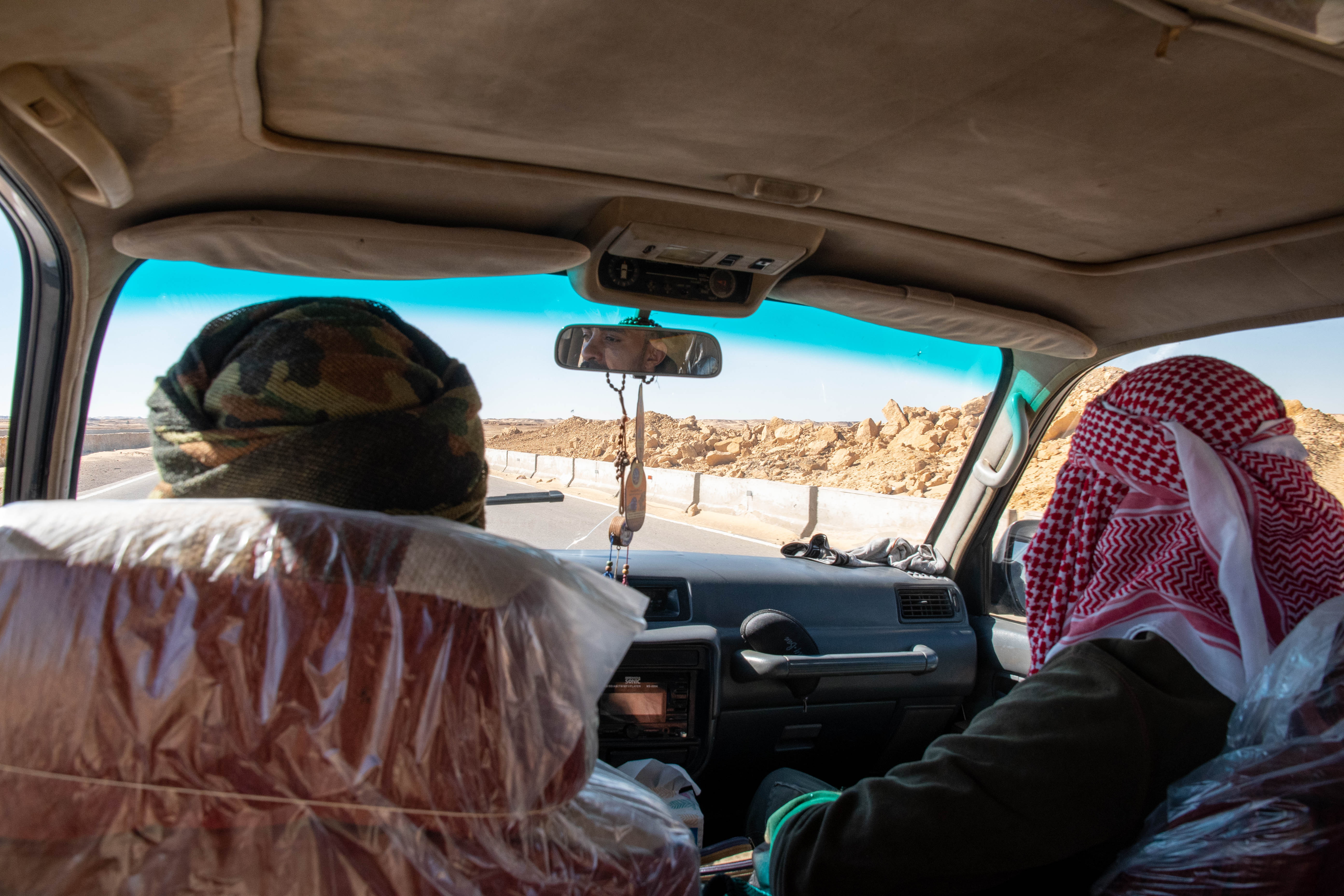


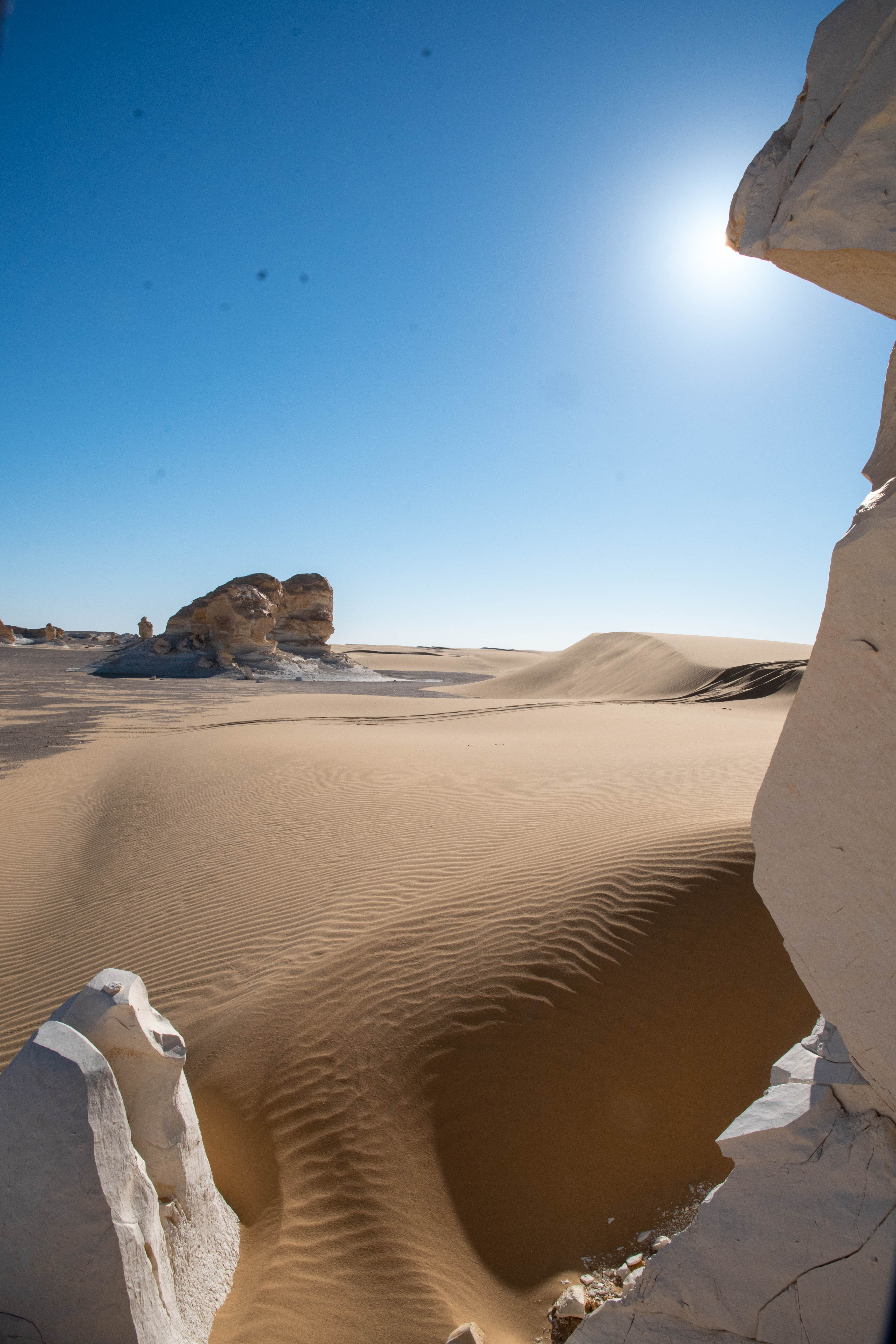


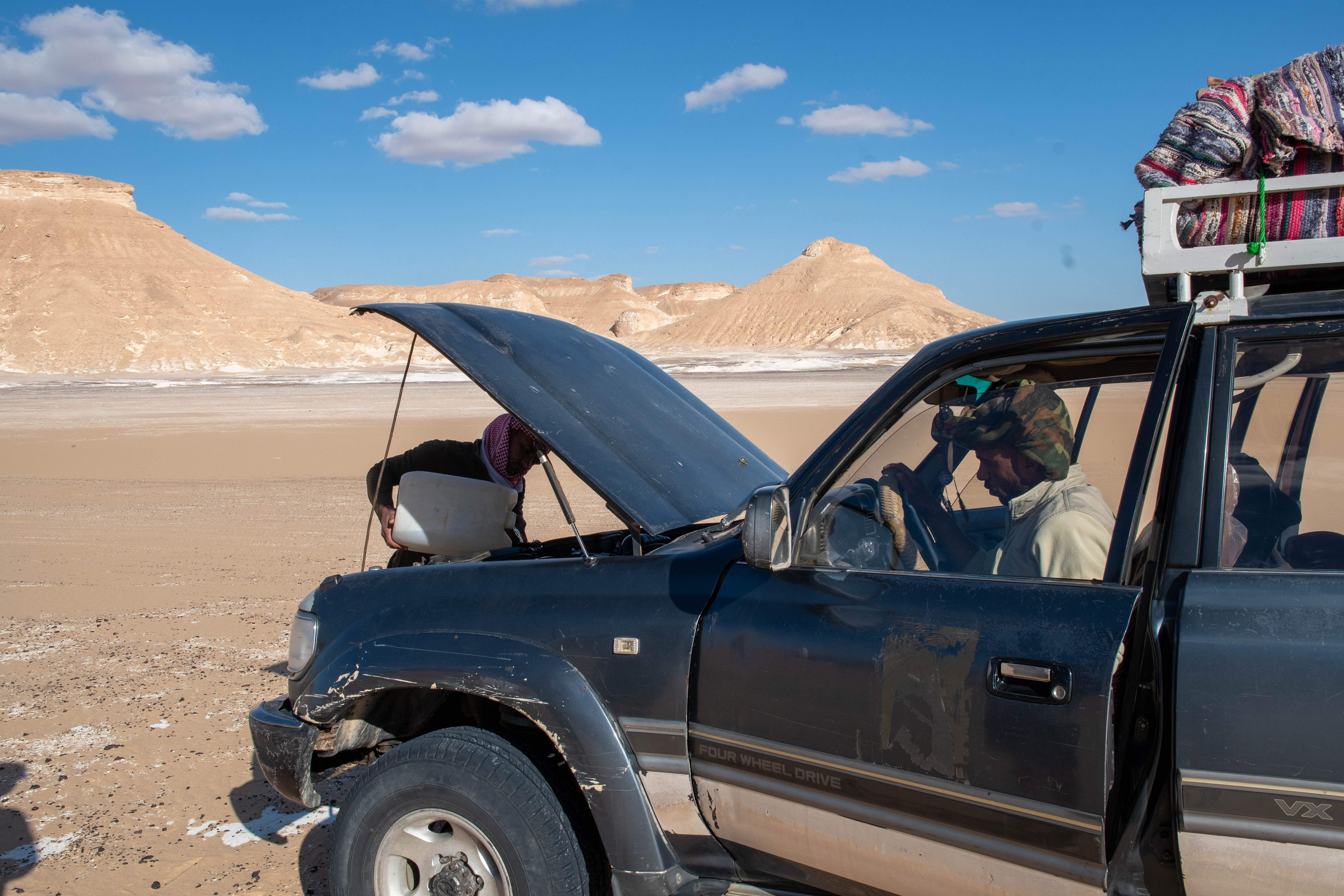
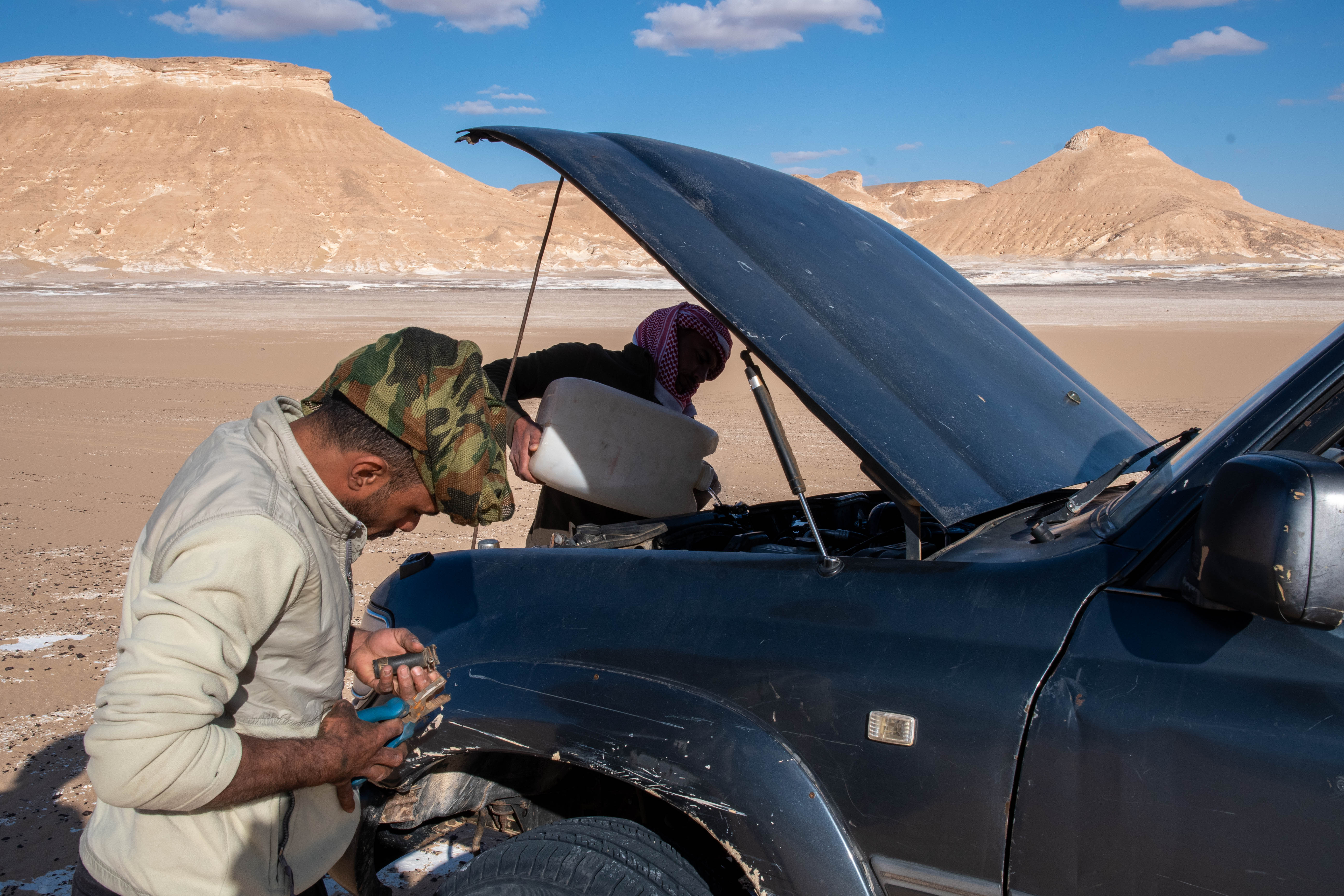

They used to go on multi-week long expeditions to where the borders of Egypt, Libya, and Sudan meet, but the military restricted their access after the revolution in 2011. They couldn’t go more than 60 kilometers away from the singular highway connecting the oases. These restrictions were just lifted in October.
SINAI
Sinai is technically part of Egypt, but National Geographic says Sinai offers “spiritual refuge” “amidst a sea of conflict.” The triangular peninsula is definitely unique, it has developed a flourishing tourist industry which largely caters to Europeans and Israelis despite having ISIS strongholds in the northern half of the peninsula. The Red Sea’s colorful coral and diverse marine life starkly contrasts the barren, rugged mountains of Biblical fame. Bedouins largely fuel the tourism industry. Along the coast they set up shacks and bungalows for SCUBA enthusiasts, and a co-op of 8 Bedouin tribes manage hiking trails on mainland Egypt’s Red Sea region and Sinai’s St. Cathrine, the largest mountain in Egypt.

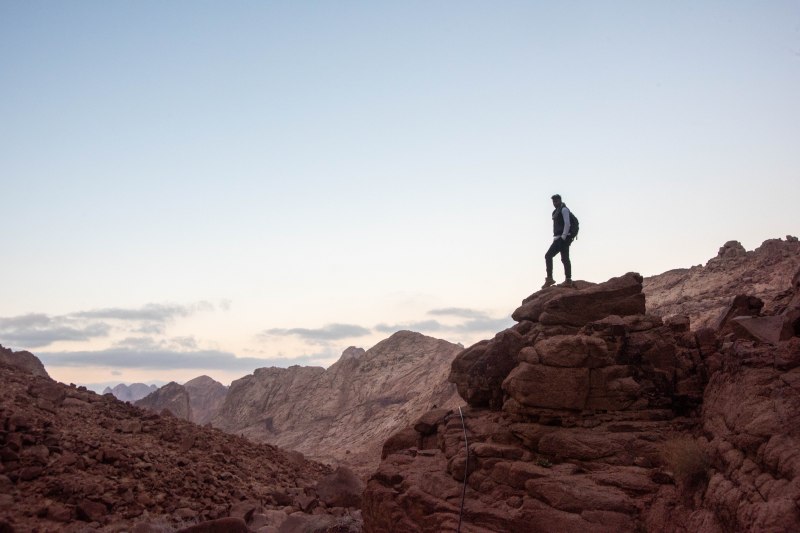


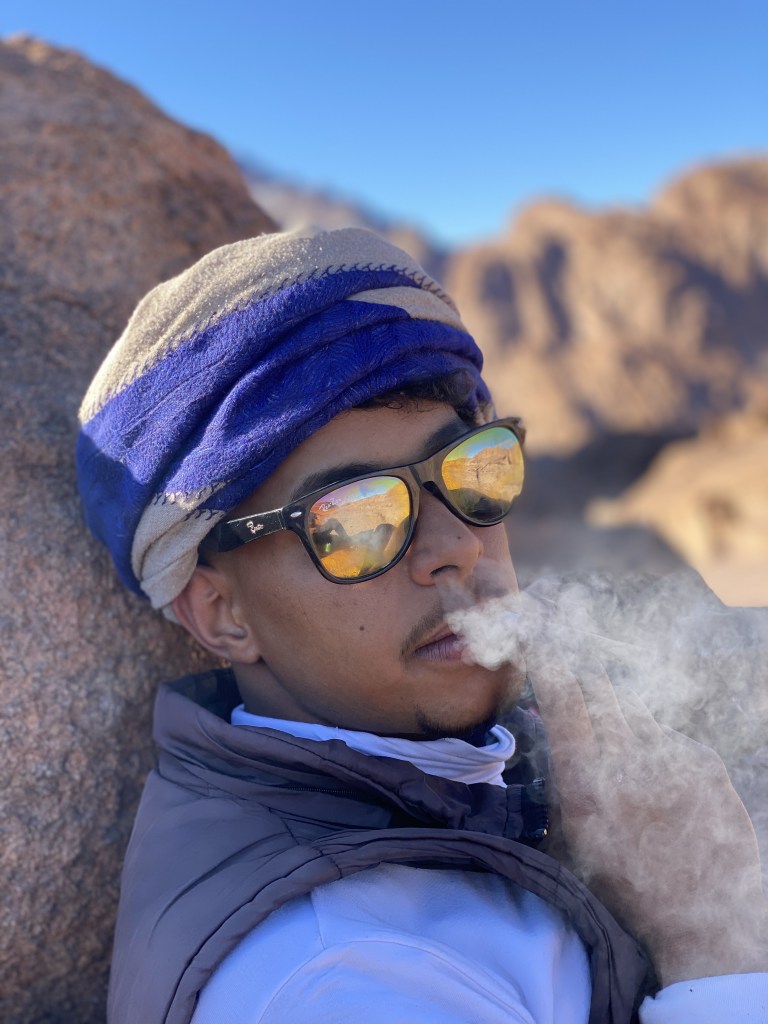

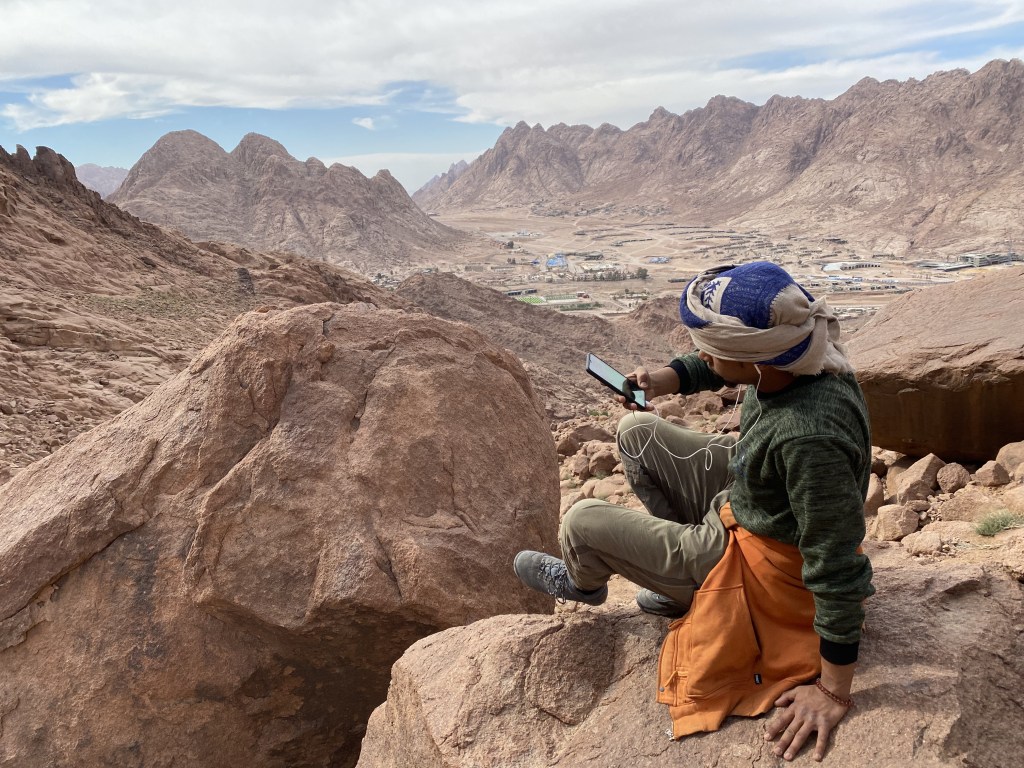
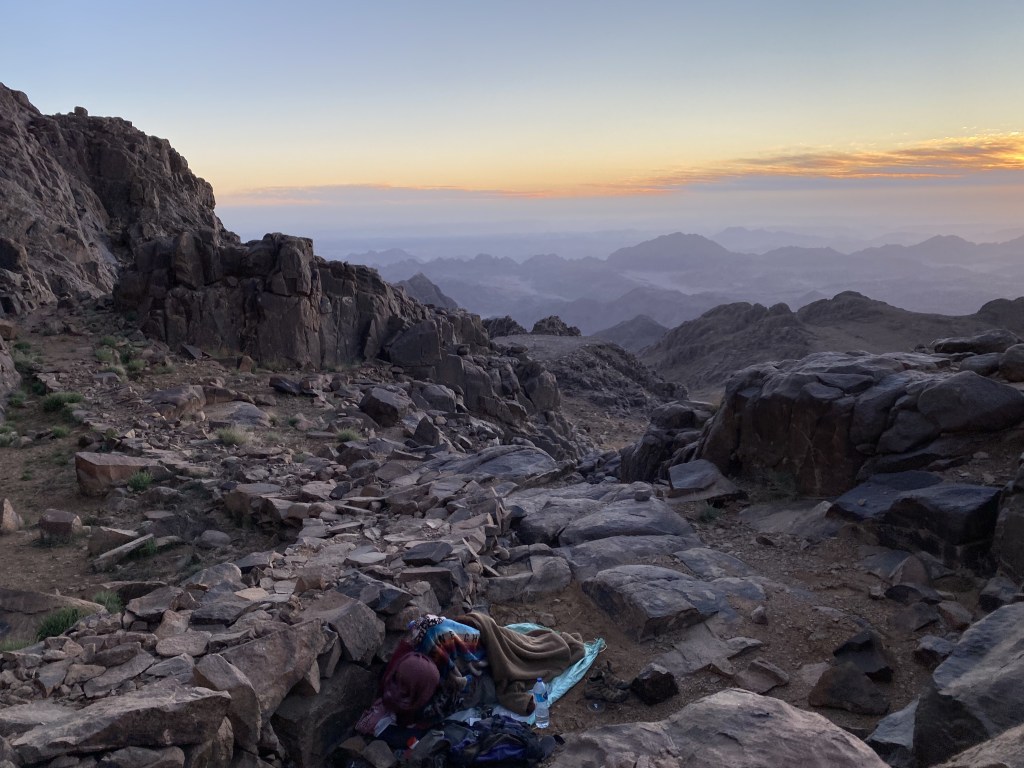
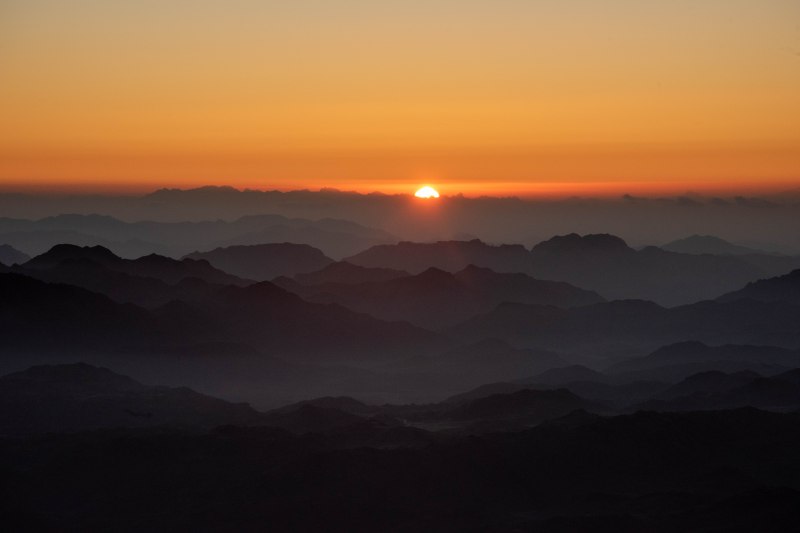

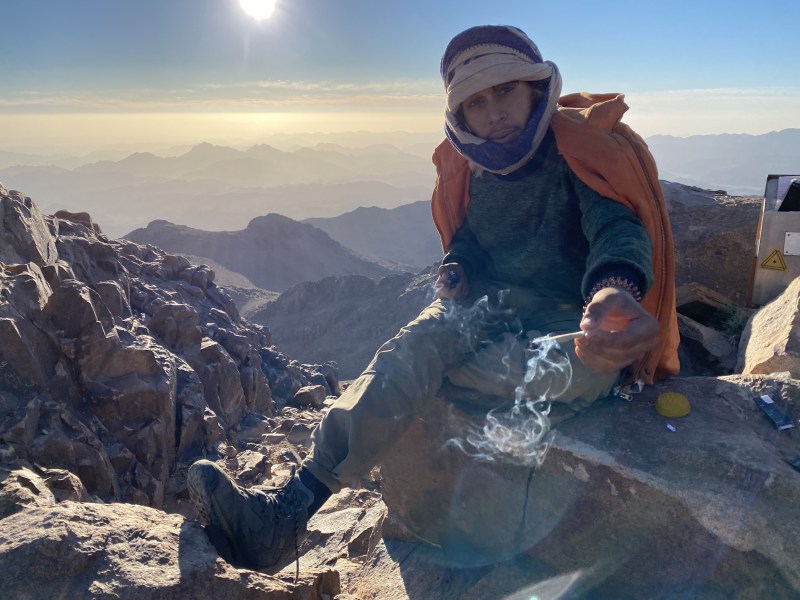
Mahmoud was going to go to law school in Sharm El-Sheikh, but then the COVID-19 pandemic hit, and he was forced to stay home and support his family. He now guides tourists around the hills and valleys of the St. Kathrine protectorate where he grew up herding goats.
 Andrew Califf